What to Pack in
Your BJJ
Gym Bag
Every white belt goes through the same phase. You start training, you love it, and then you realize you’re showing up three times a week with your stuff shoved in a backpack, a wet gi from Tuesday still balled up in the bottom.
That’s how gis get that smell that never comes out. And it’s how you end up at the gym without a mouthguard on the one night the class is all live rounds.
So here’s the list. I split it into what you need every class, what you’ll want after a couple months, and the stuff people buy that mostly sits in the bag.
The Bag Itself
You don’t need anything fancy, but you do want two things: it has to be big enough for a gi (they’re bulkier than you think), and it should have a separate compartment or a vented pocket so your wet stuff isn’t sitting on your dry stuff.
A regular backpack works until it doesn’t. Once you’re training more than twice a week, a real duffel is worth it.
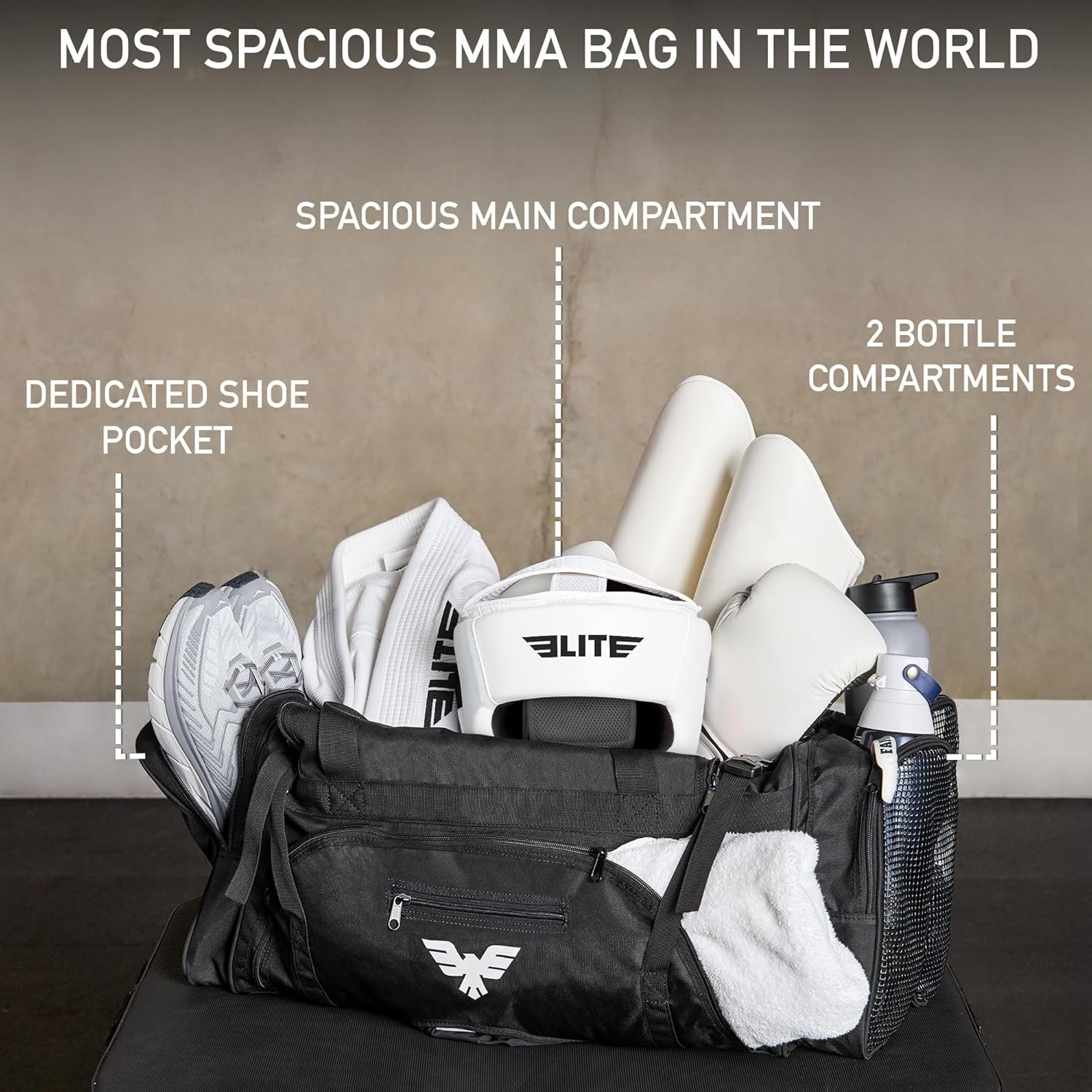
- Fits a full gi plus a change of clothes
- Room for a water bottle and accessories
- Big enough that you’re not cramming everything in
This is what I’d point a new guy to. It’s roomy enough for a gi, a rash guard, shorts, and your post-training clothes without stuffing.
Every Class: The Non-Negotiables
1. Your gi or no-gi kit
Obvious, but pack it the night before. If you train both, keep a rash guard and shorts in the bag at all times so you’re never stuck if the schedule changes. If you’re still deciding which to focus on, here’s how I’d think about gi vs no-gi.
2. Rash guard
Even for gi classes. It keeps the gi from rubbing your chest raw and adds a layer between your skin and the mat.
3. Mouthguard
You’ll go weeks without needing it and then catch a stray knee or elbow in a scramble. Teeth don’t grow back. Get a boil-and-bite one, mold it properly, and keep it in its case in the bag so it’s always there.
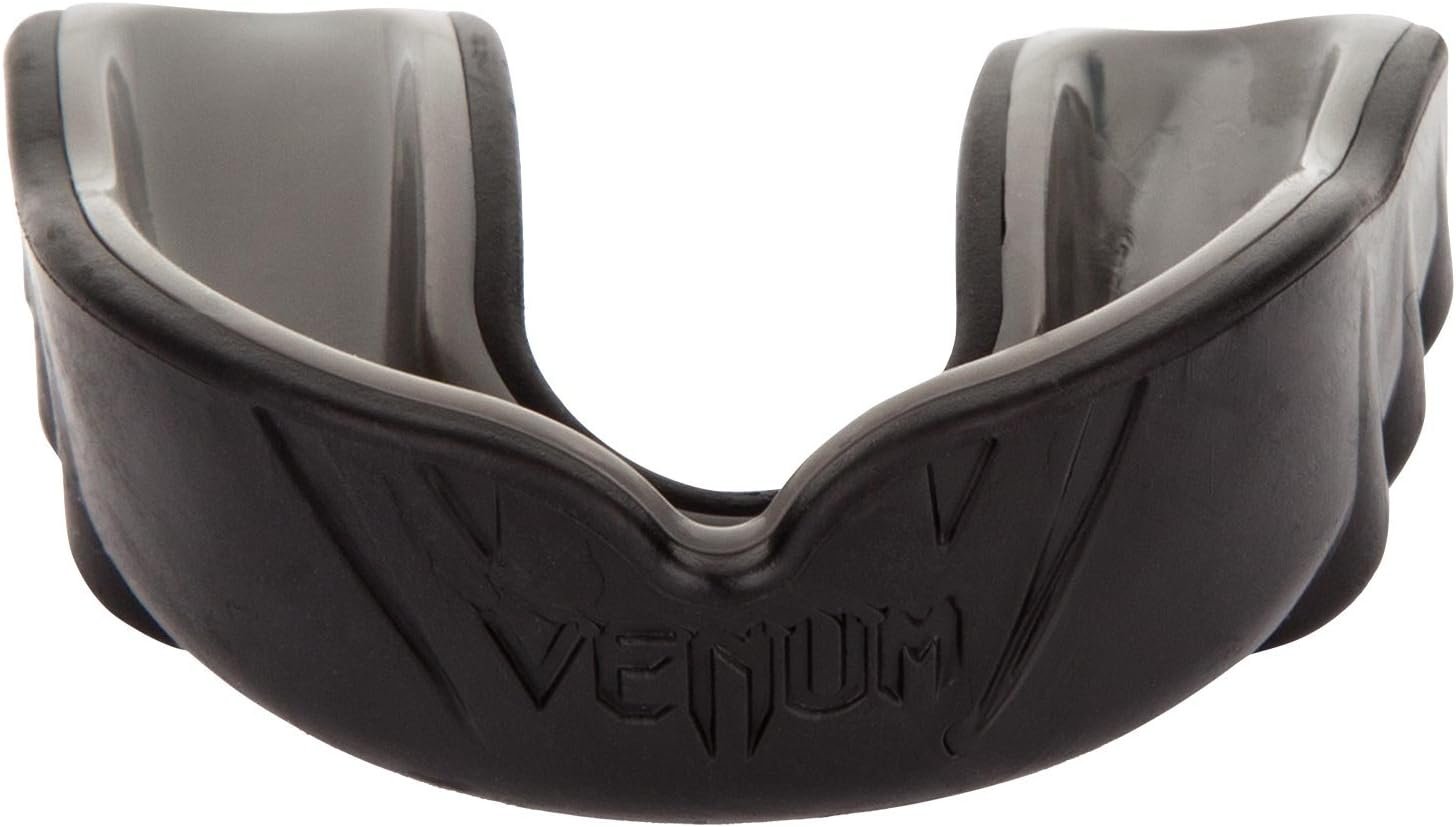
- Boil-and-bite fit
- Comes with a case
- Cheap insurance for your teeth
4. Flip-flops or slides
Off the mat, you wear shoes. Every time. Bathroom floors and locker rooms are where skin infections come from.
5. Water bottle
A big one. A lot of gyms have a fountain, but you don’t want to be waiting in line between rounds.
6. A plastic bag or wet bag
For your sweaty gear on the way home. Keeps the rest of the bag from turning into a swamp.
7. Hygiene basics
Deodorant for after, a small towel, and a hair tie if you need one. Some people keep body wipes in there for days they can’t shower right away. Not a bad idea.
After a Few Months: The Stuff You’ll Start Wanting
Don’t buy these on day one. Wait until your body tells you that you need them. Then you’ll know exactly why you’re buying it.
Finger tape
Gi grips are hard on your fingers. After a couple months most people have at least one finger joint that’s swollen or sore. Taping the knuckles helps a lot. Get thin tape (around a third to half an inch wide) because the wide stuff from the drugstore is a pain to use on fingers.
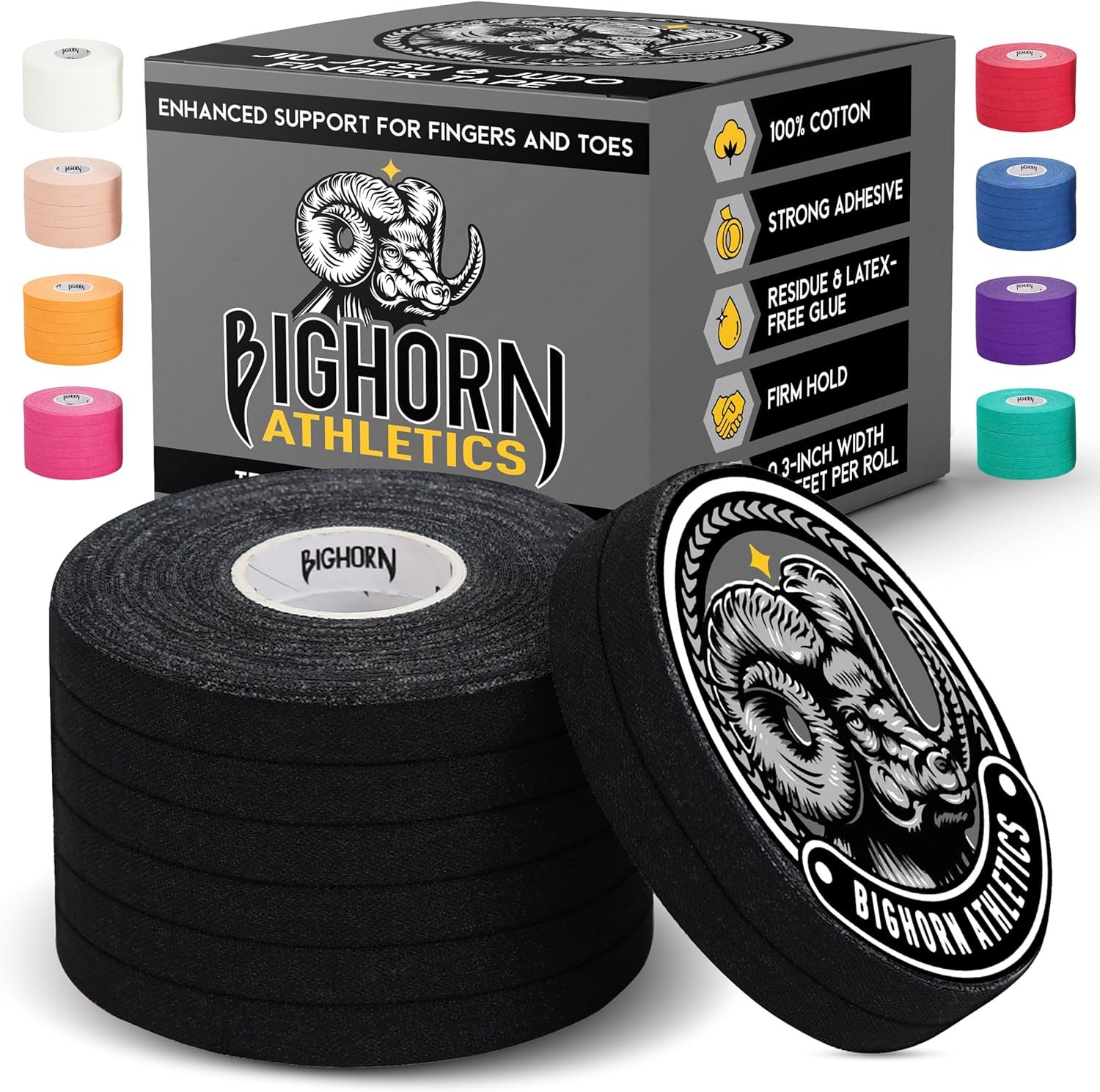
- Thin 0.3 inch width, made for finger joints
- Tears by hand
- 8-roll pack, so it lasts a while
Knee pads
If you play a lot of guard or you’re doing takedowns, your knees take a beating on the mat. Thin grappling knee pads take the edge off without getting in the way.
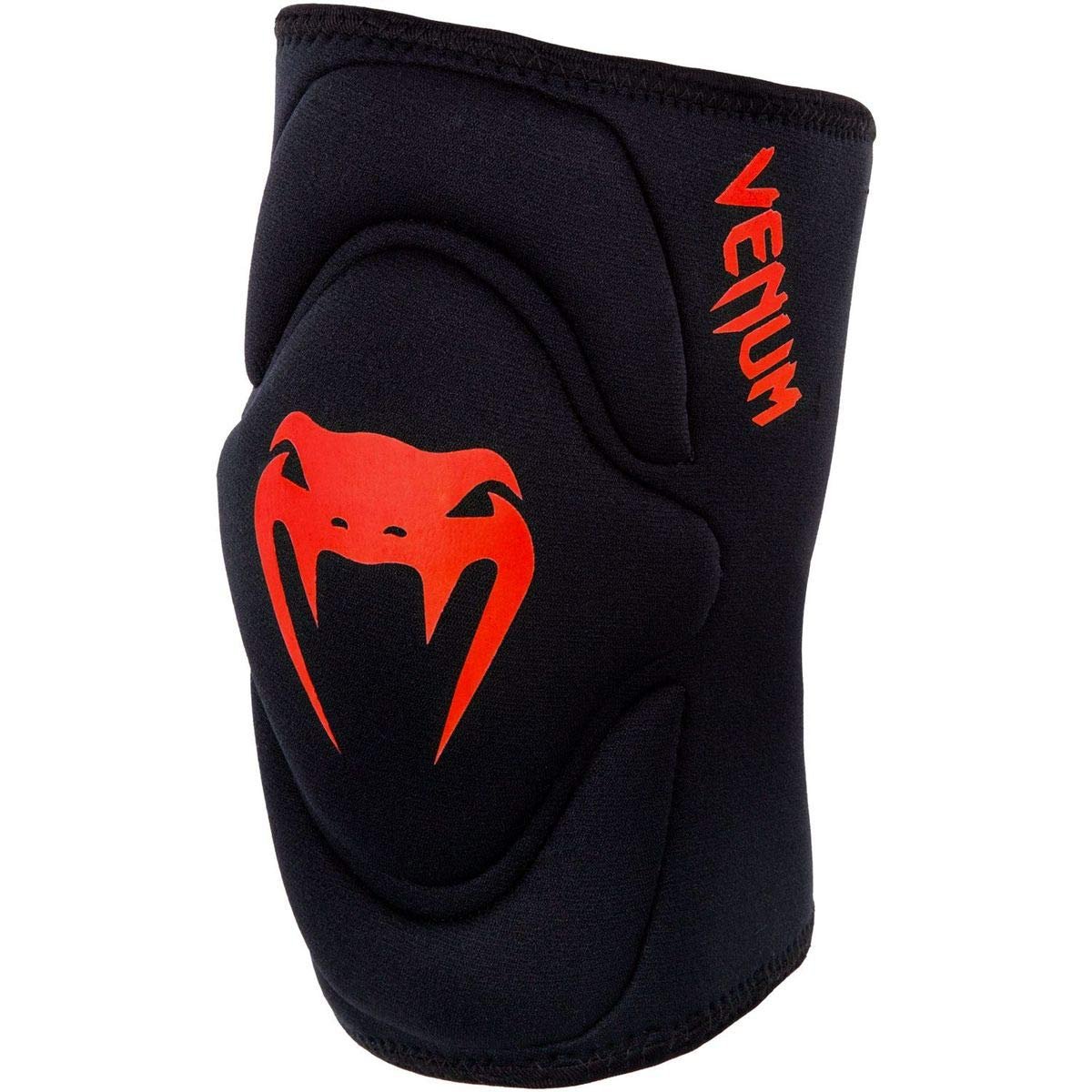
- Low-profile sleeve style
- Doesn’t slide down during rolls
- Good for older knees or hard mats
Ankle support
If you’ve ever rolled an ankle playing ball or you’re getting into leg lock positions in no-gi, a gel ankle sleeve can make you feel a lot more stable. It’s not magic, but a lot of people swear by them.
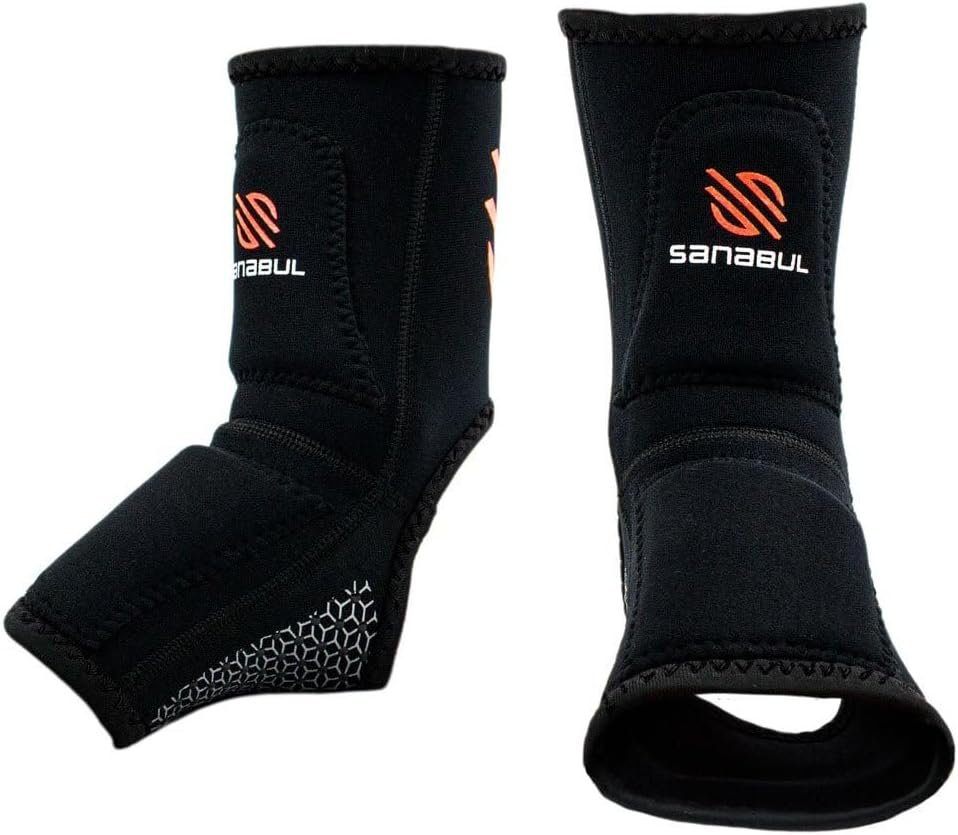
- Gel sleeve design
- Slips on under spats or bare
- Light support without a bulky brace
Ear guards
If your ears start feeling sore or puffy after class, pay attention. I wrote a whole post on whether you actually need ear guards because it’s one of those things people ignore until it’s too late.
What You Can Skip
- A second expensive gi right away. A second gi is great once you’re training 3+ times a week, but it doesn’t need to be a premium one.
- Grip gloves, special socks, gadgets. Most gyms don’t allow them, and you don’t need them.
- Supplements packed in the bag. Drink water. Eat a normal meal after. You’re fine.
Unpack your bag as soon as you get home. Not tomorrow morning. Tonight. Wet gear in a closed bag overnight is how you end up with a gi that smells even after you wash it.
The Quick Checklist
| Item | When |
|---|---|
| Duffel bag | Once you’re training 2+ times a week |
| Gi and/or rash guard + shorts | Every class |
| Mouthguard | Every class |
| Flip-flops | Every class |
| Water bottle | Every class |
| Wet bag for dirty gear | Every class |
| Finger tape | When your fingers start hurting |
| Knee pads | When your knees start complaining |
| Ankle support | If you have an old ankle injury |
| Ear guard | If your ears get sore or puffy |
Bottom Line
Keep the bag simple. Gear, mouthguard, flip-flops, water, and a bag for the wet stuff. Add the protective gear only when you’ve got a reason to. And unpack the second you get home.