What to Wear to
Your First
BJJ Class
Most people don’t skip their first BJJ class because they’re scared of getting choked. They skip it because they don’t know what to wear and don’t want to be the one guy who shows up looking wrong.
I get it. Walking into a room full of people who already know each other, all wearing the same thick cotton uniforms, is weird. So here’s the short version before we get into details: wear a fitted athletic shirt and shorts with no pockets or zippers, bring water and flip-flops, and cut your nails. That’s it. You can stop worrying now.
If you want the longer version, keep reading.
First, Call or Message the Gym
This sounds obvious, but almost nobody does it. Every gym runs a little differently. Some will hand you a loaner gi for your first class. Some run the first class as no-gi only. Some want you there 15 minutes early to sign a waiver. A quick text saves you from guessing.
Ask them two things: “Is the class I’m coming to gi or no-gi?” and “Do you have a loaner gi I can use?” Their answers decide most of what’s below.
If It’s a No-Gi Class
No-gi is the easy one. You want clothes that fit close to your body and don’t have anything that can catch a finger or toe.
A rash guard or tight athletic shirt
A loose cotton t-shirt works for one class, but you’ll figure out fast why nobody wears them. It rides up, it gets stretched out, and people’s hands get tangled in it. A rash guard stays put and dries quicker. If you already own a compression shirt from the gym, wear that.
Shorts with no pockets
Pockets are finger traps. Zippers and metal snaps can scratch your partner or tear their gi. Regular gym shorts with a liner are fine to start. Fight shorts are better because they’re built to stretch when someone’s trying to pass your guard.
Spats or leggings (optional)
Some people like spats under their shorts for mat burn and skin protection. Not required on day one.
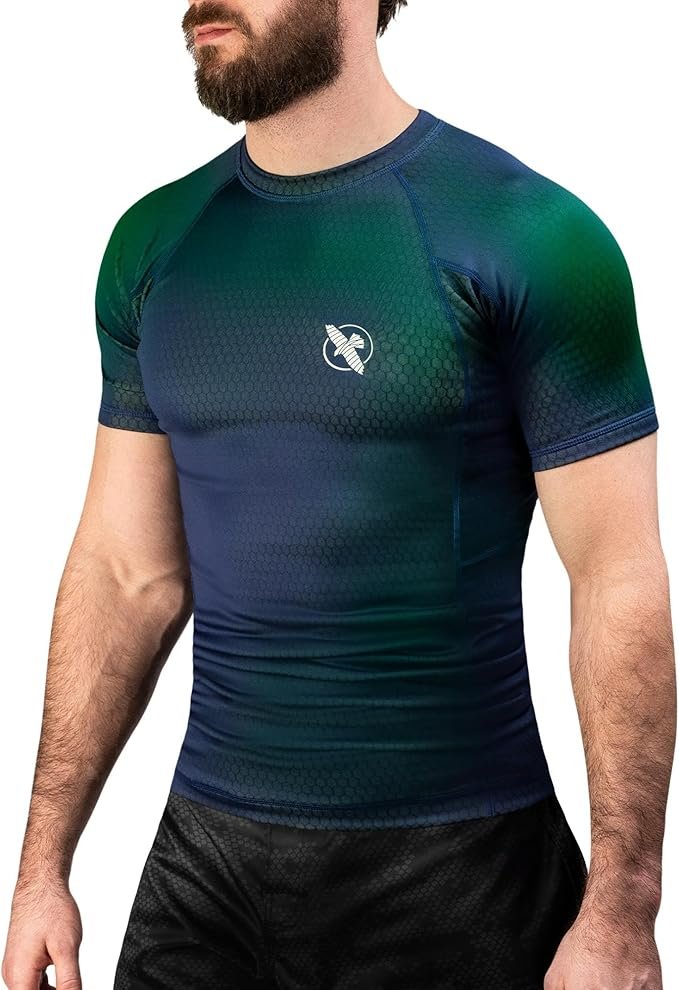
- Fitted cut that stays tucked during scrambles
- Quick-dry fabric
- Works for no-gi or under a gi
This is the one I tell new people to buy first, because you’ll use it whether you end up doing gi, no-gi, or both. Plenty of gi guys wear a rash guard underneath too.
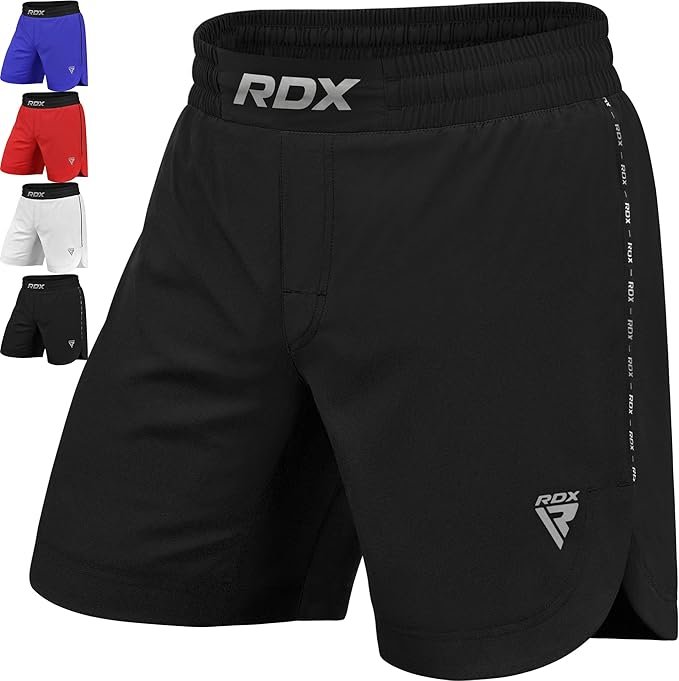
- No pockets, no zippers
- Stretch built into the crotch and sides
- Made for grappling, not running
If It’s a Gi Class
If the gym has a loaner, take it. Seriously. Don’t go buy a gi before you know if you even like the sport, or whether the gym has a color rule (some only allow white or blue).
If they don’t have one, you’ve got two options. Show up in no-gi clothes and ask the coach if that’s okay for the first session, which most coaches will say yes to. Or grab a budget-friendly beginner gi so you’re set for week two.
When you wear a gi, the usual setup is a rash guard underneath (women almost always do, a lot of men do too) and just underwear or compression shorts under the pants. No regular shorts under the gi pants. It bunches up and it’s hot.
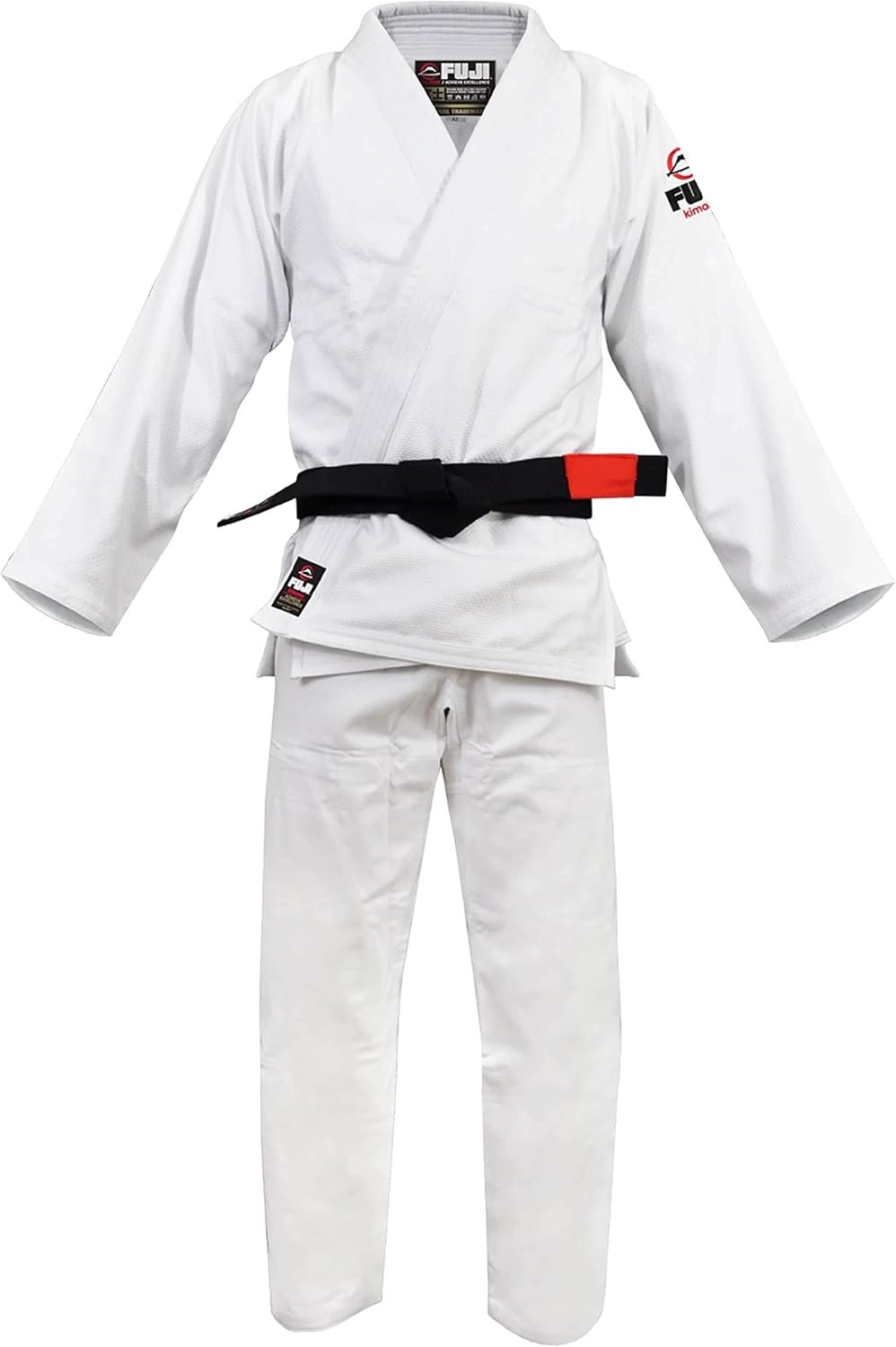
- Single weave, durable, not too heavy
- IBJJF legal
- Size up if you’re between sizes, it shrinks a little
I wrote a full breakdown of beginner gis here if you want to compare. The short answer is this one, because it holds up and doesn’t cost a fortune.
What to Leave at Home
This part matters more than what you wear.
- All jewelry. Rings, earrings, necklaces, watches, fitness trackers. Wedding rings are the big one. Ring injuries on the mat are as bad as they sound. Leave it in the car.
- Long nails. Fingers and toes. Cut them the night before. Long toenails will scratch someone and they will remember it was you.
- Cologne or a cloud of body spray. You’re going to be pressed against strangers for an hour. Being clean is great. Smelling like a department store isn’t.
- Shoes on the mat. Never walk on the mat in shoes. And never walk off the mat barefoot, especially into the bathroom. That’s how skin infections get passed around.
Bring cheap sandals. Take them off at the edge of the mat, put them back on when you step off. It’s the easiest way to avoid ringworm and staph, and nobody tells beginners this until they’ve already walked barefoot into the locker room.
What to Actually Bring
Keep it simple for the first class:
- A water bottle (you’ll drink more than you think)
- Flip-flops or slides
- A towel
- A hair tie if you have long hair
- A mouthguard if you have one. Not mandatory for a first class, but good to have once you start rolling.
- A plastic bag for your sweaty clothes after
You don’t need ear guards, knee pads, or finger tape on day one. Those come later once you know which parts of your body are taking a beating. When you get there, I put together a full gym bag checklist that covers it.
How to Not Feel Awkward
Show up 10 or 15 minutes early. Tell the front desk or the coach it’s your first time. They’ll usually pair you with someone experienced who’ll go easy on you. That’s what you want.
During drilling, it’s fine to say “I don’t get it, can you show me again?” Nobody expects you to know what half guard is. And if you get to the live rolling part and you’re gassed or overwhelmed, you can sit out. Nobody cares. If you do roll, tap early and tap often. Tapping is part of learning, not a sign you lost.
Bottom Line
For a first class: fitted shirt or rash guard, shorts with no pockets. Take off the jewelry, cut your nails, bring water and flip-flops. If it’s a gi class, borrow one before you buy one.
If you liked it and you’re going back, the one piece of gear worth buying right away is a decent rash guard. You’ll wear it in every class no matter what style you end up training.