Do You Need
Ear Guards
for BJJ?
Walk into almost any BJJ gym and look at the black belts’ ears. You’ll see a few that look lumpy, a few that look totally normal, and at least one guy whose ears look like someone balled up a piece of gum and stuck it on the side of his head.
Some people want that. They see it as a badge. Most people don’t, especially if they’ve got a job where they deal with the public, or they just don’t want to explain it at family dinners.
If you’re new and wondering whether you should be wearing ear guards, here’s the honest answer: most people don’t wear them in BJJ, but if your ears are starting to hurt or swell, you should start.
What Cauliflower Ear Actually Is
Your outer ear is cartilage with a thin layer of tissue over it that supplies blood. When the ear gets crushed, rubbed, or twisted (which happens a lot when someone’s driving their head into yours in a headlock, or you’re grinding out of a tight triangle), blood or fluid can collect between that layer and the cartilage.
If that fluid sits there, it hardens. Once it hardens, that’s permanent. That’s the cauliflower part.
The key thing to know: it’s often fixable if you catch it early. A doctor can drain the fluid, and then you compress the ear so it doesn’t fill back up. Once it’s hard, you’re looking at surgery or just living with it.
I’m a guy who trains, not a doctor. If your ear swells up, go see a doctor or urgent care quickly. Don’t wait a week to see if it goes down.
Early Warning Signs
This is the part nobody tells white belts. Your ear usually gives you warning before it swells.
- It feels hot or tender after class
- It hurts to lay on that side of your head at night
- The ridges of your ear feel puffy or soft, like there’s a little water balloon in there
- The shape looks slightly off compared to the other ear
The first two are your signal to start wearing ear guards and to take it a bit easier on that side for a while. The last two mean you should get it looked at.
Why More BJJ People Don’t Wear Them
In wrestling, headgear is mandatory in a lot of places. In BJJ, it’s rare. A few reasons:
- They slip. In gi classes, collars and lapels catch on them and push them around.
- They’re hot. An hour of rolling with a strap around your head isn’t fun.
- Your partner can grab them. Not legal, but it happens by accident.
- Culture. Nobody else is wearing them, so people feel weird being the one guy who does.
None of that is a good reason to wreck your ears if they’re already getting irritated. Wear them for a few weeks while things calm down, then decide.
Who Should Wear Them
I’d seriously consider ear guards if any of these are true:
- You also wrestle or do takedown-heavy no-gi
- Your ears are already sore after rolling
- You’ve had a swollen ear before (once it happens, it tends to happen again in the same spot)
- You really don’t want cauliflower ear for work or personal reasons
If none of those apply, you’re probably fine without them for now. Just pay attention to how your ears feel after class.
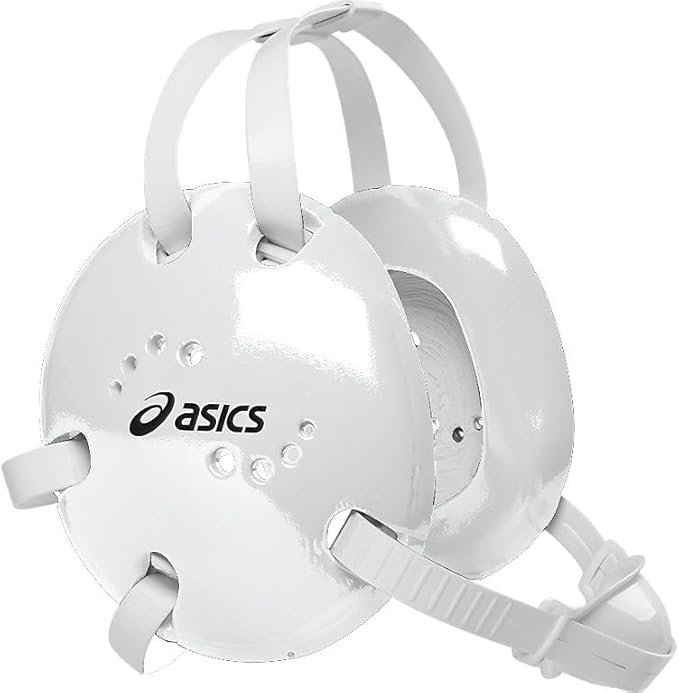
- Snap-down straps that stay put
- Soft ear cups
- Built for wrestling, works for grappling
It’s simple and does the job. The snap straps let you get the fit tight enough that it doesn’t slide around when someone’s in your head and arm.
How to Wear Them So They Don’t Slide
Most of the complaints about ear guards come from wearing them too loose. A few tips:
- Tighten the chin strap more than feels natural. It should be snug but not choking you.
- Long hair? Tie it low before you put them on, or they’ll ride up.
- For gi, some people wear the guard under a thin skull cap. Not required, but it helps.
- Give it a week. It feels strange at first and then you stop noticing.
The Little Things That Help Too
Ear guards aren’t the only defense. Technique matters a lot here.
Don’t try to rip your head out of a tight headlock or triangle. That twisting is what does the damage. Tap, reset, go again. Same goes for grinding your face out of a tight north-south. If you’re stuck, you’re stuck. Tapping is free. Ears aren’t.
Bottom Line
You don’t need ear guards for your first month of BJJ. But as soon as your ears start feeling sore, tender, or puffy, start wearing them. And if one actually swells, get it drained fast. That’s the difference between a normal ear and a permanent lump.